
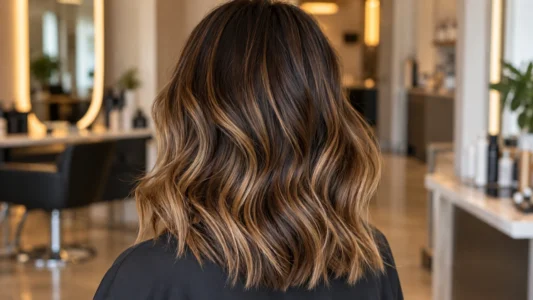
Balayage Maintenance works best when the plan begins before you leave the salon. The placement that makes your color look soft at the root does not remove the need to care for the lighter lengths, review the tone, or decide when a refresh makes sense. A good routine separates those needs instead of treating every future visit as another full lightening appointment.
For an Auburn client, the practical questions are personal: How do you normally wear your hair? How often can you return? Do you swim, use heat frequently, or spend long days outdoors? What change actually bothers you when the color begins to look different? These answers help your stylist design a manageable routine rather than an idealized schedule that does not fit your life.
Halo Salon’s existing balayage and highlights guide explains the initial choice. This article looks more closely at the months afterward, including tone, home care, appointment decisions, and communication. It offers questions to take to a stylist, rather than a universal timetable or a promise that every head of hair will maintain the same result.
Build a Balayage Maintenance plan around your result
Before choosing products or booking another service, describe the result you want to preserve. Is it a bright frame around the face, a soft transition from the root, a warm caramel finish, or a particular level of contrast? A color can remain beautifully blended while its tone changes, so those observations should be discussed separately.
Take a few reference photographs after the appointment in ordinary, consistent lighting. Save a front view, your usual part, and a view showing the lengths. The purpose is to record your actual result, rather than compare your hair with a heavily edited image on a different person. Those photographs can make the next consultation more specific.
1. Separate root softness from tone maintenance
Balayage describes a placement approach, while your finished tone depends on the complete service and the hair underneath. The appearance of the roots and the appearance of the lightened lengths can therefore change in different ways. Tell your stylist which part of the result you are evaluating.
Instead of saying the whole color has gone wrong, describe whether the face frame feels less bright, the ends appear warmer, or the contrast near the root no longer suits you. Those are different requests. Your stylist can then explain whether a tone refresh, a placement adjustment, a cut, or another service is worth considering.
Balayage Maintenance becomes easier when the next appointment has a defined purpose. Ask the stylist to write down the difference between a refresh visit and a larger placement visit in the language the salon uses. That helps you choose the right booking category without assuming every visible change requires the same work.
2. Learn the vocabulary used in your appointment
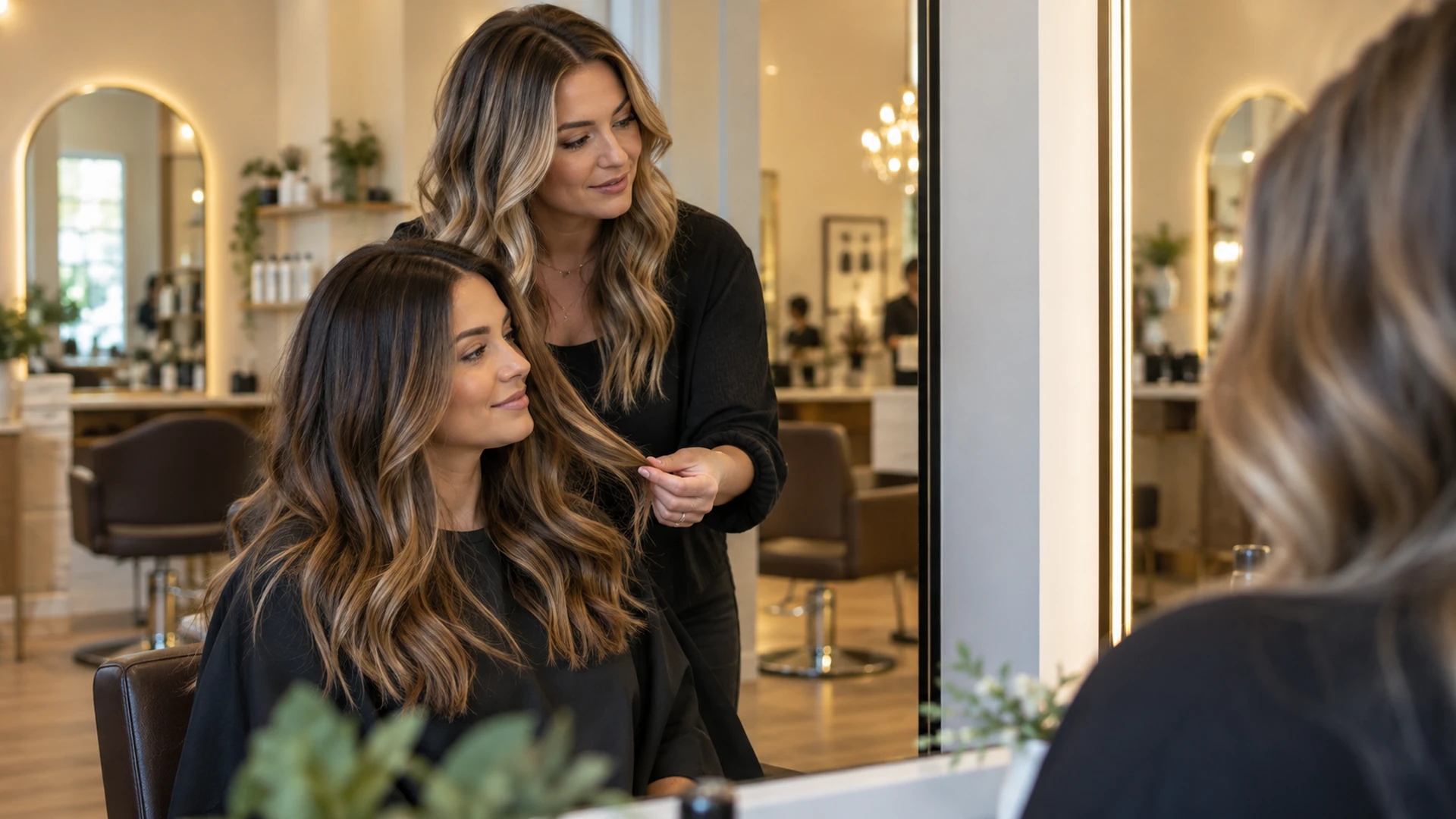
Words such as gloss, toner, root shadow, face frame, and partial highlight can overlap in salon conversation. Ask what each proposed step is intended to do on your hair. A clear explanation of the goal is more useful than memorizing a service name without understanding the result.
For example, a gloss may be part of a toning service, while a root treatment addresses a different part of the overall design. The exact product and technique matter. Avoid assuming that a term used in one social-media video has the same meaning in every salon or that it guarantees a specific amount of brightness.
Balayage Maintenance should leave you able to describe the next decision. Ask what the stylist would want to see before recommending more lightening and what signs suggest a simpler refresh. A shared vocabulary reduces the chance of booking an appointment that is too short or intended for a different kind of change.
3. Match home care to your actual hair
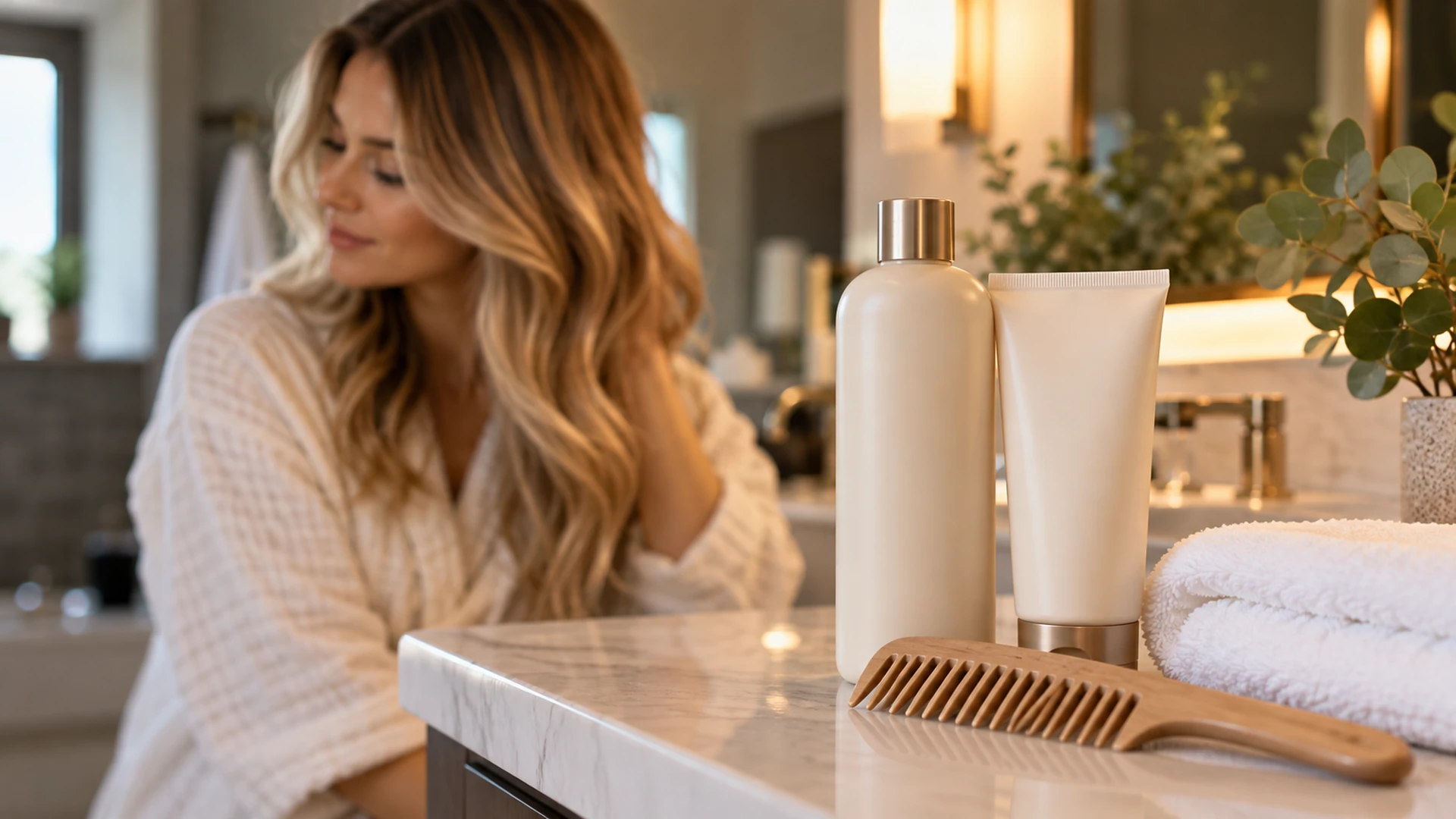
Bring a list or photographs of the products you already use. Explain how often you wash, what your scalp needs, and how the lengths feel after styling. The best discussion starts with the current routine rather than a complete shopping list chosen before your stylist has assessed the hair.
L’Oréal Professionnel’s balayage guidance highlights the role of color-oriented care and heat protection. Use that as a prompt for a product-specific conversation. Ask which step serves your hair’s current needs, how it is used, and whether it is compatible with any other services you receive.
Balayage Maintenance does not require buying every product displayed beside the mirror. Prioritize a routine you understand and will follow. If a recommendation is optional, ask what difference it is intended to make. If your current products are suitable, discuss how to use them appropriately before adding another bottle that duplicates the same role.
4. Use toning products with a clear purpose
A tinted shampoo or mask is not a substitute for assessing why your color looks different. Ask your stylist what tone concern, if any, the product is intended to address. Follow the actual instructions and the salon’s guidance for your hair rather than copying another person’s frequency or leaving it on longer for a stronger effect.
Tell the stylist if you have already used a color-depositing product. Product history can help explain a change in appearance and inform the next service. Keep the packaging or a photograph of the label available, especially if you are unsure of the exact product name.
Balayage Maintenance should avoid the cycle of adding more pigment whenever the color feels less fresh. A routine can become harder to interpret when several different tinted products are used without a plan. Ask when to stop, when to check in, and whether an in-salon review would be more useful than another at-home experiment.
5. Make heat styling a deliberate choice
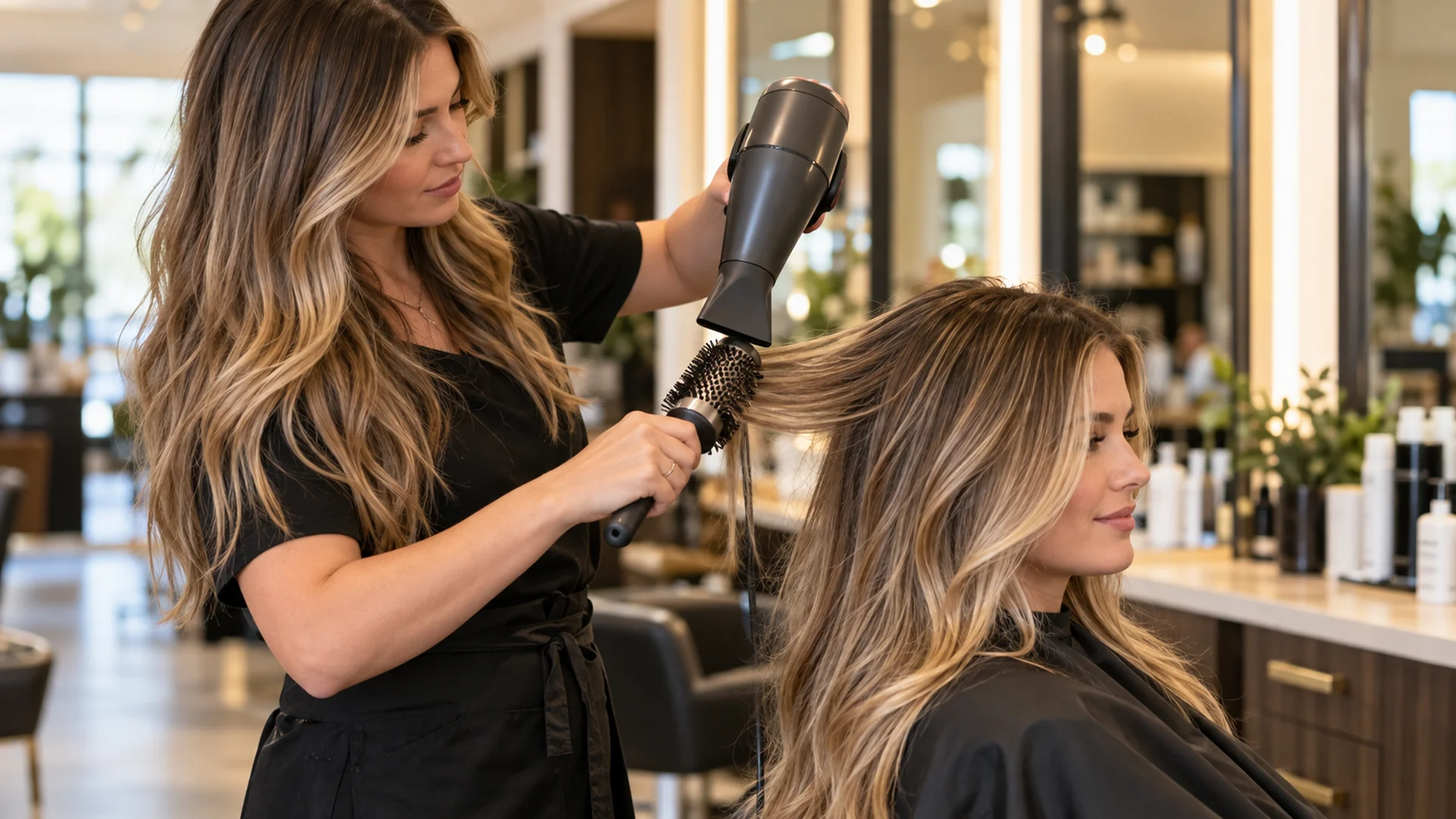
Explain which tools you use and the finish you normally create. A polished salon photograph may show waves that you do not recreate every morning. Your color and haircut should look intentional in your real routine, including the days you wear your hair straighter or allow its natural texture to show.
Ask for a practical demonstration using your usual part and a manageable amount of product. Discuss appropriate tool use for your hair rather than assuming the highest setting is necessary. The American Academy of Dermatology’s styling guidance notes that excessive heat can damage hair.
Balayage Maintenance planning can include a simpler finish for busy days. Ask how the placement will appear without a full curl set and which styling adjustments help the overall shape. A result that works only after an elaborate routine may be less useful than a slightly different design that you can wear comfortably throughout the week.
6. Discuss swimming and travel before they happen
Tell your stylist about upcoming pool time, beach trips, or travel that will change your normal routine. Ask for advice specific to your color and any extensions or smoothing service. A product or method suitable for untreated hair may need a different discussion when several services are involved.
Keep the plan straightforward enough to follow away from home. Identify what you need to pack and which steps are priorities. If the hair changes noticeably after a trip, record the timing and describe the change before adding a series of corrective products yourself.
Balayage Maintenance also depends on realistic appointment timing. If you are leaving Auburn for a semester break or an extended trip, say so during the consultation. The stylist can discuss an appropriate plan and explain what can wait until you return. Avoid assuming a last-minute appointment will be available or that every color concern should be addressed immediately before travel.
7. Keep the haircut in the conversation
The shape of your haircut affects how color is displayed. A trim, new layers, or a different part can change which pieces are visible. Tell the colorist about planned changes before the placement is designed, and tell the cutting stylist what you value about the existing color.
If the ends no longer look how you want, ask whether the concern is tone, shape, condition, or a combination. Those possibilities deserve different responses. More lightening is not the only way to change the impression of the finished style.
Balayage Maintenance should connect the cut and color rather than treat them as unrelated appointments. Ask which service should happen first when you are considering a meaningful length change. A coordinated plan can preserve the features you like and avoid spending time refining color on sections you already intend to remove.
8. Book the service you actually need
Before booking online, compare your request with the salon’s service descriptions. If you are uncertain, send a clear question through the salon’s normal contact process. Include your current hair, the result you want, and whether you are an existing color client. Photographs can support the conversation, but the stylist may still need to assess the hair in person.
Halo’s balayage service information provides a starting point. Ask the team which appointment category fits a tone refresh, placement adjustment, or larger change. Confirm what the appointment includes rather than assume a finish, cut, or additional treatment is automatic.
Balayage Maintenance is more predictable when timing and scope are clear. If your goal has changed substantially, allow space for a consultation. A short refresh booking may not be the right setting for a major color transition, even if both requests involve the same lighter pieces.
9. Review the routine as your goals change
Your preferred color can change with a new job, a different schedule, or the way you wear your hair. Bring those changes into the conversation. A design that suited frequent salon visits may need adjustment when you can return less often or want to spend less time styling.
Compare the current result with your own reference photographs and describe what you still like. Keeping those successful features in view prevents every refresh from becoming an unrelated new direction. Ask which changes are modest and which would alter the overall maintenance plan.
Balayage Maintenance should serve your life rather than become a fixed obligation. A useful review considers the color, the care you actually perform, the appointments you can maintain, and the result you want next. The plan can evolve while preserving a coherent look instead of accumulating disconnected changes from several different inspiration images.
Compare three common refresh requests
If you like the placement but want a different tone, describe that directly. If you want more brightness around the face, show where you want the change. If you want the whole design lighter, make that a separate conversation about the starting hair, appropriate process, time, and future care.
These examples do not prescribe which service to book. Their purpose is to make the consultation clearer. Bring current photographs and let the professional explain what each option can realistically achieve. A smaller request may still need careful assessment, while a dramatic inspiration photograph may involve more than one appointment.
Write a clear refresh request
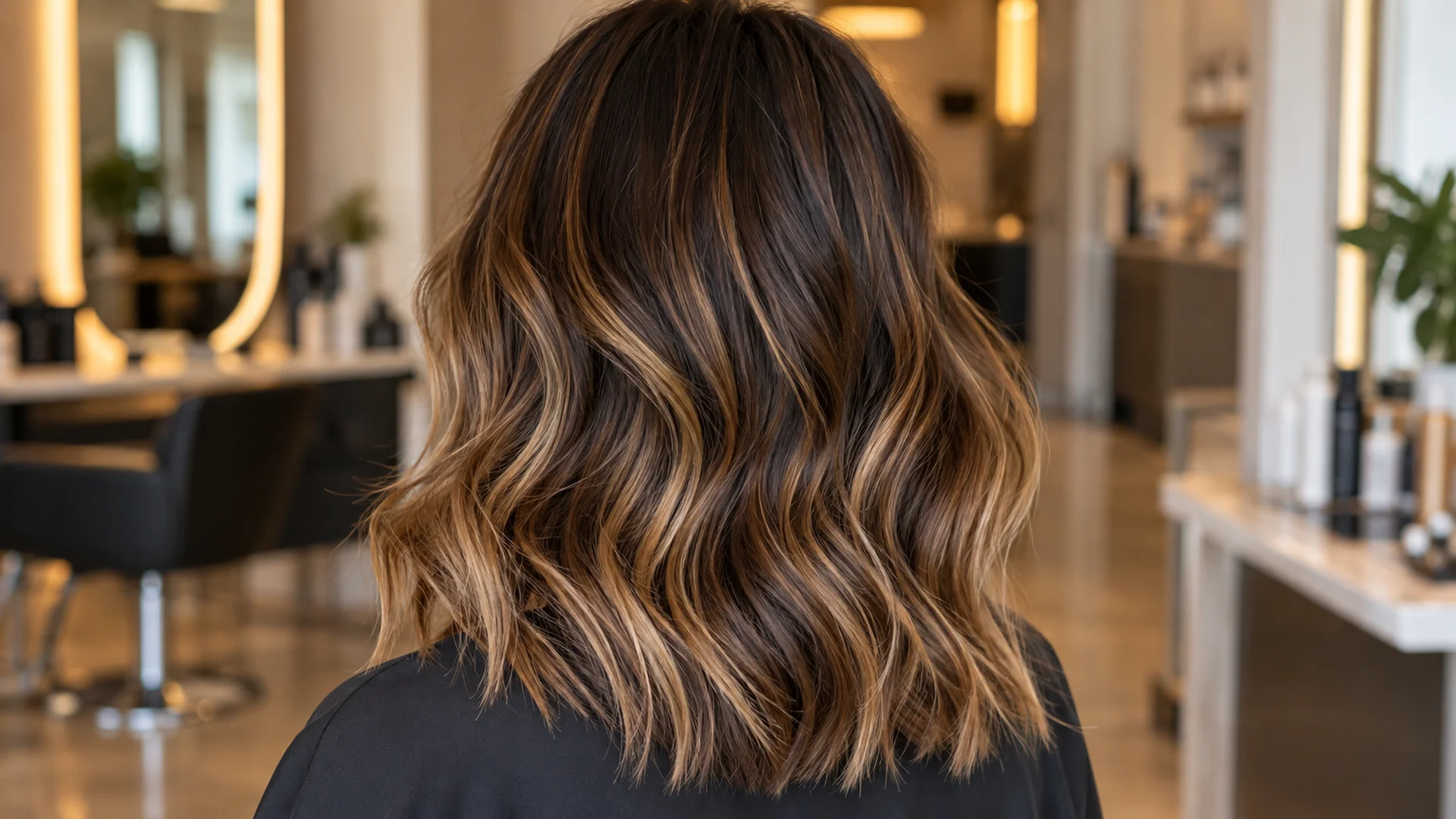
A useful message might explain that you still like the root transition, want the face frame reviewed, and are unsure whether the warmer appearance through the ends needs attention. Add a current photograph and say what products have been used since the last appointment. This gives the team a specific request without asking you to choose the technical service yourself.
Include practical timing. If you need a finished style for an event, say when you must be ready and whether you also want a cut. If you will leave Auburn for a while, explain when you can return. Those details help the salon recommend an appropriate appointment rather than assume the same maintenance pattern as your previous visit.
Balayage Maintenance messages should distinguish a question from a confirmed booking. Use the salon’s normal process and keep the appointment confirmation. Sending an inspiration image through an unrelated channel does not necessarily reserve time or communicate the full scope to the person preparing your service.
After the salon clarifies the next step, save the explanation with your photographs. Over time, this creates a practical record of what each refresh was intended to do. It can also help you recognize when the goal has changed enough to justify a new consultation rather than repeat a familiar service by habit.
Questions about Balayage Maintenance
How often should I return to the salon?
Ask for a schedule based on the actual placement, tone, hair condition, and your preferences. Root softness and tone refreshes may call for different discussions. Avoid treating a generic number of weeks as a promise that every result will look unchanged until that date.
Does low maintenance mean no maintenance?
It means the design may fit a less intensive routine in particular ways, not that the hair needs no attention. Ask which parts of the result require care and which appointments are optional or conditional. Understanding that distinction helps you choose a realistic plan.
What should I bring to a refresh consultation?
Bring current photographs, a picture of the result you liked, your product list, and a description of what has changed. Mention travel, swimming, other services, and any at-home color products. This gives the stylist useful information without requiring you to diagnose the cause yourself.
For personalized Balayage Maintenance, contact Halo Salon in Auburn. A clear conversation about placement, tone, and everyday care is the best foundation for deciding what your next appointment should do.