
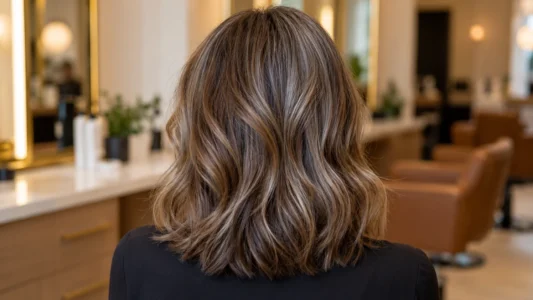
Gray Blending is a conversation about how you want your natural color and silver strands to appear together. It can mean softening contrast, adding dimension, changing a previous coverage routine, or making regrowth feel less visually abrupt. It does not have to mean hiding every gray hair, and it does not require every client to choose the same shade.
At an Auburn salon consultation, the most useful starting point is your preference. You may enjoy your silver but dislike a sharp line from previous color. You may want some coverage while keeping movement and variation. You may also be uncertain and want to understand the options before deciding whether to change anything.
Halo Salon’s custom hair color services provide a setting for that discussion. This guide explains seven choices and the questions behind them. It focuses on cosmetic planning, maintenance, and communication rather than a universal formula, a promise of instant transition, or an assumption that gray hair needs to be corrected.
Define what Gray Blending means to you
Choose photographs that show the contrast and overall impression you enjoy. Point out whether you like visible silver, softer roots, brightness around the face, or depth underneath. Explain what you do not want as well, such as an all-over blonde appearance or a much darker result.
Bring current photographs of your own hair in ordinary light. The amount and distribution of natural gray, existing color, and the way you wear your hair can influence the options. Ask the stylist to explain the starting point before choosing a service name. A shared description of the desired result is more useful than assuming the phrase means the same thing to everyone.
1. Choose how much natural silver to show
Begin by deciding whether visible gray is welcome, something you want softened, or something you prefer to cover more fully. None of these preferences is inherently better. Your comfort with the result should guide the discussion rather than a trend suggesting that everyone should embrace or conceal silver in the same way.
Look at different areas of your hair. The front, temples, part, and back may not present the same pattern. Explain which views matter most in your normal style. A result that feels balanced when worn down may look different when tied back or parted on the other side.
Gray Blending planning should make the desired balance clear. Ask the stylist how the proposed approach responds to your actual distribution and existing color. You can then evaluate whether the service supports your preference instead of judging it by a broad label such as natural, youthful, or low maintenance that may mean very little without context.
2. Compare blending with fuller coverage
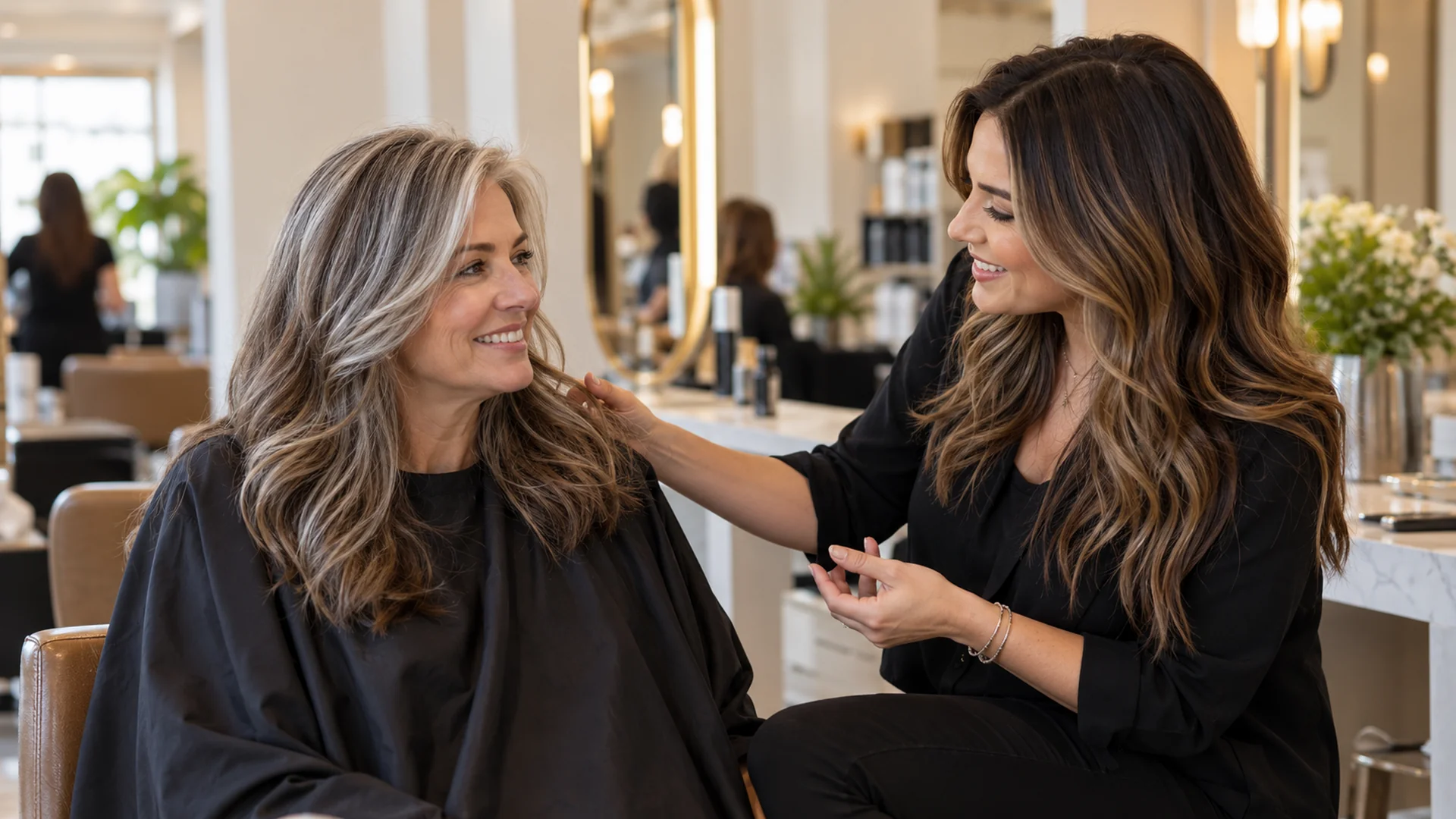
Ask the stylist to explain the intended visual difference between softening contrast and covering gray more completely. Different services and products can create different effects, and the suitability depends on the hair and goal. The consultation should describe what you may still see after the appointment.
Think about the result between visits as well as on the day it is finished. If you prefer fuller coverage, ask how the new growth may appear and what follow-up is involved. If you prefer more visible silver, ask how that affects the overall depth and contrast.
Gray Blending can be a deliberate alternative to an existing routine, but it should not be presented as a universal way to eliminate future salon visits. Ask which aspects may become easier and which still need attention. A clear comparison helps you choose based on your priorities rather than assume that a softer-looking result is automatically simpler in every respect.
3. Discuss highlights as one possible tool
Highlights may be part of a dimensional plan, but they are not a complete answer on their own. Placement, starting color, tone, and the relationship with natural silver all influence the effect. Ask the stylist why a proposed lighter area belongs in the design.
Wella Professionals discusses blending gray with highlights, illustrating that lighter pieces can play a role in a customized approach. This is background reading, not a recommendation that every client needs lightening or a statement about the products Halo uses.
Gray Blending should preserve your preference for overall brightness. If you do not want to become blonde, say so explicitly. If you like a lighter frame around the face but prefer depth elsewhere, point that out. The professional can explain what is feasible on your existing hair and whether any proposed change needs a staged plan.
4. Consider depth and lowlights carefully
Adding depth can change the relationship between natural silver and surrounding hair. Ask what the proposed darker pieces are intended to do and how they may appear as the result changes over time. A design should be evaluated as a whole rather than judged by a single swatch.
Describe your tolerance for contrast. Some clients enjoy a dimensional pattern, while others prefer a quieter impression. Show examples in hair that resembles your preferred length and styling. A photograph with strong waves may display color differently from the straighter finish you wear every day.
Gray Blending consultation should also cover previous color. A darker addition is not automatically a harmless or simple answer merely because it does not aim for more brightness. Product choice, placement, and future plans still matter. Ask how the approach fits the long-term direction so a quick visual change does not make the next transition harder to understand.
5. Plan the transition from previous color
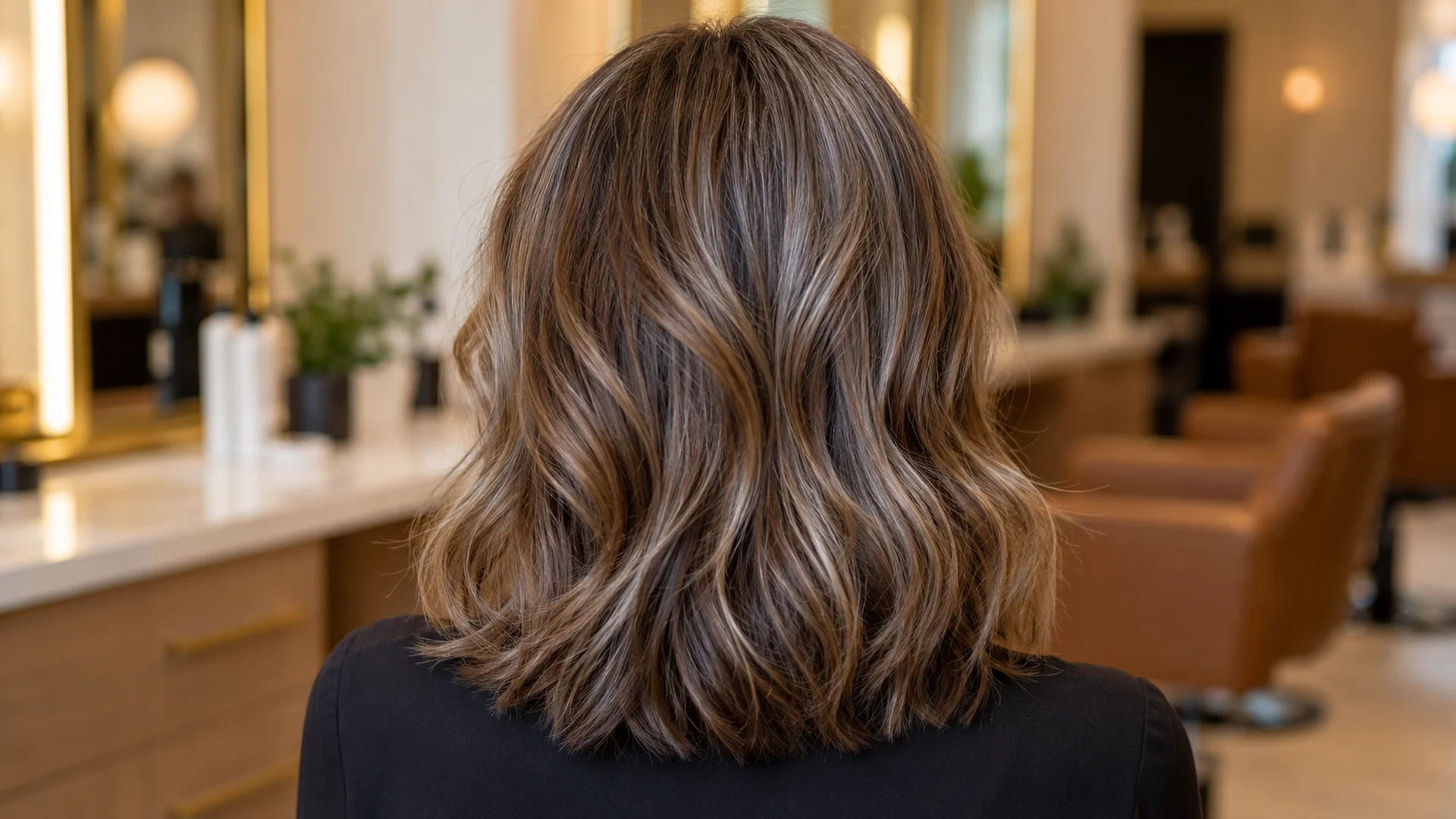
If you have been using regular coverage, explain the history and where the previous color remains. The natural root and the lengths may present different starting points. Tell the stylist about home products, tinted masks, lightening, and smoothing services that could be relevant.
Ask which part of the transition can be addressed now and what may need more time or another visit. A wearable intermediate result can be a useful step. The professional should explain the goal without promising that every previous color line can disappear immediately.
Gray Blending should respect your priorities for length, tone, condition, time, and budget. If one priority is more important than the others, say so. A gradual plan may be preferable to a dramatic appointment for some clients, while others may choose a different direction after assessment. The right decision is informed by the actual hair and your preferences, not an assumed standard transition schedule.
6. Decide what maintenance you can support
Explain how often you can return and what your everyday routine looks like. Ask which future appointments maintain tone, which adjust placement, and which depend on how you feel about the result. A maintenance plan should identify decisions rather than simply assign a fixed number of visits to everyone.
Bring your current product list and ask what remains suitable. If the stylist recommends a tinted or color-oriented product, understand its role and instructions. Avoid assuming every gray or blended result needs the same shampoo. The actual services and desired tone should guide the recommendation.
Gray Blending is more satisfying when the care plan feels realistic. If you do not want a complicated routine, explain that before the design is selected. Ask what tradeoffs a simpler approach may involve. A result you can wear comfortably is more useful than an inspiration shade that depends on frequent care you never wanted to provide.
7. Review the haircut and styling together
The shape of the cut and your normal part affect how dimensional color is seen. Tell the colorist about a planned fringe, shorter perimeter, or significant length change. Coordination can help preserve the parts of the color you value rather than refine sections that will soon be removed.
Ask to see the result in your ordinary finish, not only in a heavily styled photograph. If you usually wear the hair tucked behind the ears or tied back, include those views in the consultation. The placement should make sense for the ways you actually use it.
Gray Blending planning can include a simple styling demonstration. Ask which changes in the finished look come from the cut, which from color, and which from the styling. Understanding those contributions helps you set reasonable expectations for mornings when you do not recreate the salon finish exactly.
Prepare for the first consultation

Bring a few current photographs, a concise color history, and a small set of references. Note the features you like and those you would reject. Include your preferred maintenance level and any upcoming event that affects timing. This creates a focused conversation without requiring you to choose the technique yourself.
Tell the salon about previous reactions and any scalp concerns before a color service. FDA hair-dye guidance emphasizes product directions and appropriate skin-test instructions. The stylist can explain the salon’s process, while medical concerns should be discussed with a qualified healthcare professional.
Compare two different goals
Imagine one client who wants to keep substantial silver visible but soften the line left by previous dark coverage. Another client wants a mostly deeper result with only subtle silver variation. Both may use the phrase gray blending, yet their desired contrast and maintenance preferences differ.
The stylist should translate each request into its own assessment and options. These examples are not formulas. Their purpose is to show why a shared label cannot replace a detailed conversation about the starting hair and the intended result. Ask the professional to explain the plan in terms you can recognize in your own mirror.
Evaluate the result over time
Use photographs in consistent lighting to compare the result, new growth, and the tone through the lengths. Record what you like as well as what you want changed. A photo taken immediately after a professional finish and another taken in a dim room are not a fair comparison of color alone.
Gray Blending can evolve as your preferences change. At a follow-up visit, explain whether you want more silver, more depth, or a different balance. The review should connect those changes with the original plan and your actual routine rather than start from an unrelated trend image every time.
Ask for an understandable service estimate
Confirm the scope of the consultation, color work, finish, cut, and any optional treatment. Ask how additional time or a revised plan would be discussed if the assessment reveals more complexity. A clear estimate helps you compare the complete service rather than a starting price for a different appointment type.
For a longer transition, distinguish what can be estimated now from what depends on future review. Gray Blending should be a decision you understand before committing. A precise-looking number is less useful than an honest explanation of the work, the intended result, and the conditions that could change the plan.
Keep the decision personal
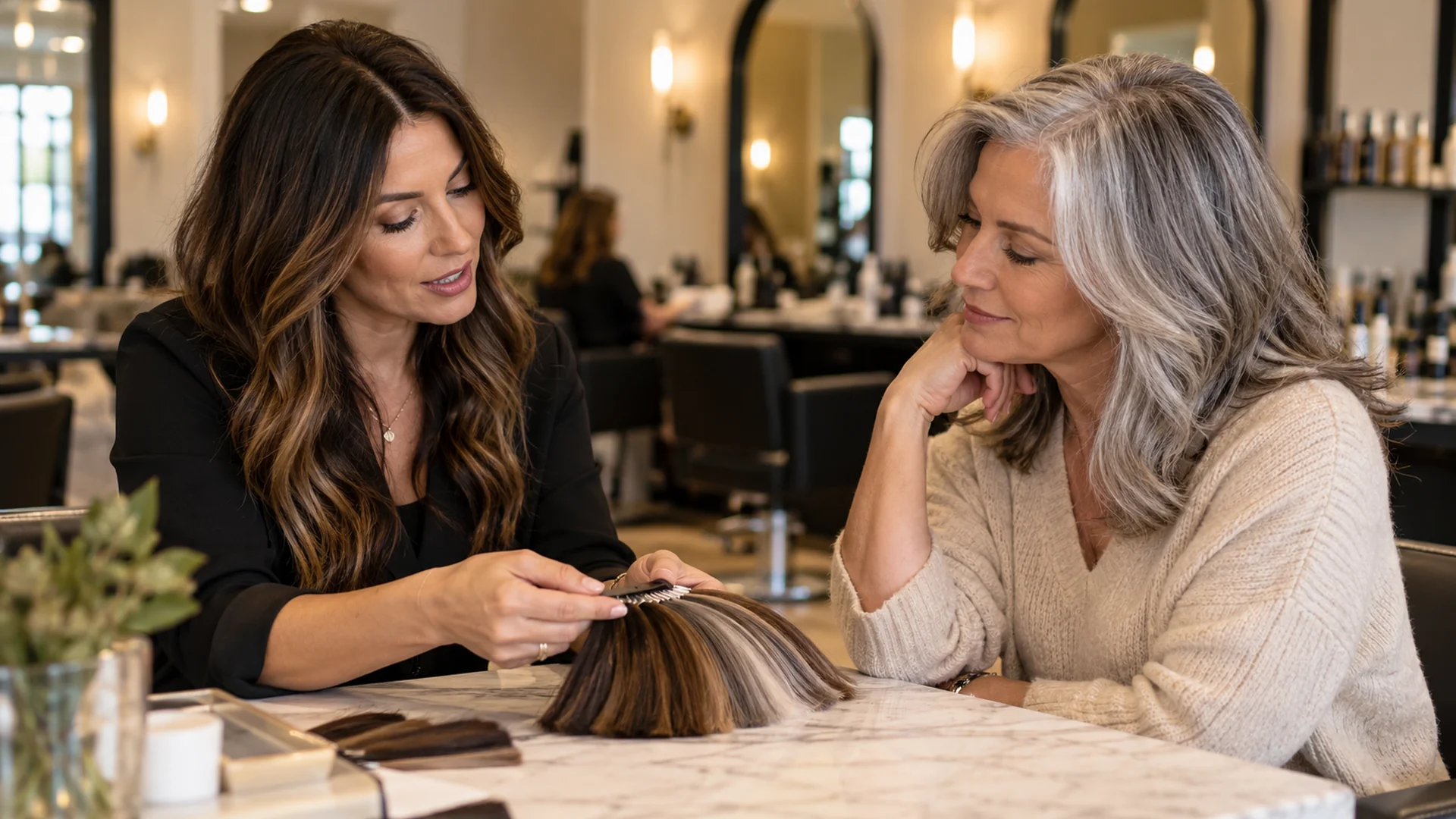
You may receive conflicting opinions from friends, photographs, or online trends about whether to show more silver. Those opinions do not need to become the goal of your appointment. Describe what you enjoy seeing on yourself and what feels inconvenient about the current routine. The stylist’s role is to explain appropriate options, rather than decide that every client should follow one direction.
If you are unsure, ask for a comparison in plain language. Discuss the expected overall impression, what may remain visible, and the likely maintenance questions for each option. You can choose a modest first step or decide to keep the current routine after understanding the alternatives.
Gray Blending planning should also leave room for changing preferences. A result that felt right during one stage of life may no longer suit the time or appearance you want. Bring that change into the next consultation instead of assuming a previous decision must be repeated indefinitely.
Keep a few photographs and a short note about what you liked after the service. The record can help distinguish a change in your preference from a change in the result itself. That makes follow-up more useful and supports a coherent color direction without turning personal taste into a universal rule about what gray hair should look like.
Questions about Gray Blending
Does it mean I have to become blonde?
No single brightness level defines the goal. Explain whether you prefer a deeper overall impression, a lighter result, or selective brightness. The stylist can discuss options that suit the existing hair and your preference, including the role and limits of different techniques.
Can I stop all maintenance afterward?
Do not assume that. Ask which parts of the result will change and what care or salon review may be useful. A softer transition can fit some clients’ routines, but the actual commitment depends on the design, previous color, and how you want the result to look.
What if I am unsure how much silver I want?
Bring examples and describe your uncertainty. Ask the stylist to compare a few directions and explain their implications. You do not need to decide on a major transformation before the consultation. A more modest first step may help clarify your preferences.
For a personalized Gray Blending discussion, contact Halo Salon in Auburn. The best starting point is the balance of silver, depth, brightness, and upkeep that feels right to you.